


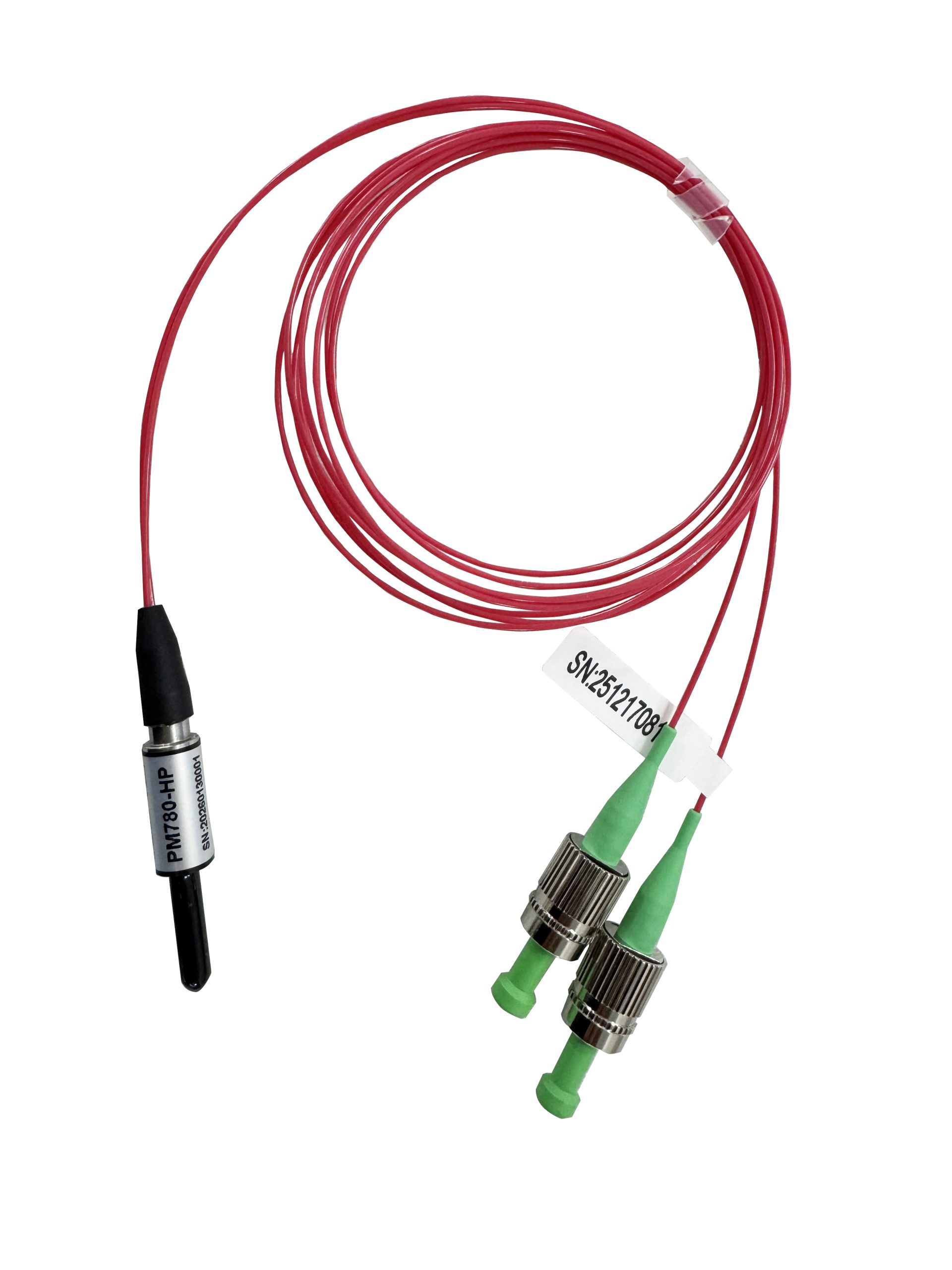
Dynamic Power Adjustment in Optical Networks: MEMS Adjustable Optical Attenuator Solution
With the rapid development of optical fiber communication technology and the continuous growth of network capacity, dynamic power adjustment has become increasingly important in optical networks. Dynamic power adjustment is essential to adapt to varying signal strength requirements and to improve network reliability and stability. MEMS (Micro-Electromechanical Systems) adjustable optical attenuators (MEMS VOA) have emerged as an effective solution to address this issue. This article provides a detailed explanation of how MEMS adjustable optical attenuators achieve dynamic power adjustment in optical networks.
1. The Need for Dynamic Power Adjustment
In optical networks, signal power can often be affected by transmission distance, link losses, and network topology, causing the received signal to be either too strong or too weak, thereby impacting system performance and stability. Dynamic power adjustment aims to maintain the optical signal within an optimal power range by adjusting its strength in real time during network operation.
The main requirements for dynamic power adjustment include:
-
Adaptive Adjustment: Automatically adjust the optical signal power based on the actual network load and signal strength.
-
Real-Time Response: Adjust the power in real time during network operation without affecting communication quality.
-
High Precision: The power adjustment must be precise to avoid signal distortion or degradation in performance.
-
High Reliability: The solution must operate reliably in diverse environments for extended periods.
2. Working Principle of MEMS Adjustable Optical Attenuators
MEMS adjustable optical attenuators are devices based on MEMS technology that play a crucial role in dynamic power adjustment. The core principle involves using miniature mirrors or other structures in MEMS devices, which undergo minute displacements to alter the optical path and change the signal strength.
2.1 MEMS Structure
A typical MEMS adjustable optical attenuator consists of a micro-mirror, a drive mechanism, sensors, and a feedback control system. The micro-mirror adjusts its angle or displacement based on external control signals to change the intensity of the optical signal. The MEMS drive mechanism controls the movement of the mirror, enabling the attenuation of the optical signal.
2.2 Optical Power Adjustment Process
In MEMS adjustable optical attenuators, optical signals first enter the attenuator. The micro-mirror adjusts its angle according to the input control signal, causing a portion of the light to be reflected, refracted, or scattered, thus achieving optical attenuation. As the mirror angle changes, the level of optical attenuation also changes. This adjustment process can be completed in a very short time and with high precision.
3. Applications of MEMS Adjustable Optical Attenuators in Dynamic Power Adjustment
MEMS adjustable optical attenuators are a key component of dynamic power adjustment and offer several advantages that make them widely applicable in modern optical networks.
3.1 Improving Signal Quality
In optical networks, factors such as transmission distance, fiber type, and light source power can cause signal strength to fluctuate, leading to signal distortion when the power is too high or data loss when the power is too low. MEMS adjustable optical attenuators can dynamically adjust the signal power to ensure that the signal remains within the optimal power range throughout the transmission, thereby improving network stability and signal quality.
3.2 Flexible Optical Network Optimization
MEMS adjustable optical attenuators can not only adjust the power of a single optical path but also allocate power flexibly across multiple transmission channels. This ensures that the signal quality is consistent across all channels, avoiding overloading or underperforming channels. By balancing the power distribution across the optical network using MEMS VOAs, the network capacity can be effectively enhanced, and resource utilization can be improved.
3.3 Supporting Automation and Intelligence
MEMS adjustable optical attenuators can be integrated with intelligent network management systems to achieve adaptive power adjustment. For instance, based on real-time traffic and link conditions, the system can automatically adjust MEMS VOAs to optimize load and power distribution across the network. This automatic adjustment process makes network operation more efficient and reduces the need for manual intervention.
4. Advantages of MEMS Adjustable Optical Attenuators
As a critical technology for dynamic power adjustment, MEMS adjustable optical attenuators offer several notable advantages:
-
High Precision Adjustment: MEMS technology allows for micron-level precision in optical power adjustment, enabling very fine control of signal strength.
-
Fast Response: MEMS adjustable optical attenuators can adjust the power in milliseconds, making them suitable for real-time power adjustments in networks.
-
Low Power Consumption and High Reliability: MEMS devices typically have low power consumption and maintain high reliability over extended periods of operation.
-
Compact Design: MEMS technology enables small, compact attenuators that can be easily integrated into various optical network devices.
5. Future Development Trends
As optical communication technology continues to advance, MEMS adjustable optical attenuators are expected to evolve toward greater intelligence, higher integration, and even higher precision. In the future, we may see the integration of multiple attenuators, sensors, and intelligent algorithms into new MEMS adjustable optical attenuators to further improve the efficiency and precision of dynamic power adjustment.
Furthermore, the combination of MEMS VOAs with other emerging technologies, such as AI and optical fiber sensors, will enable even more intelligent dynamic power adjustment. These advancements will allow optical networks to predict load conditions and adaptively adjust network parameters, leading to more efficient resource management and energy savings.
6. Conclusion
MEMS adjustable optical attenuators play a key role in achieving dynamic power adjustment in optical networks. With their high precision, fast response, and reliability, they significantly enhance network performance and resource management. As technology progresses, MEMS VOAs will continue to drive optical networks toward greater intelligence, efficiency, and adaptability.
Comments are closed