


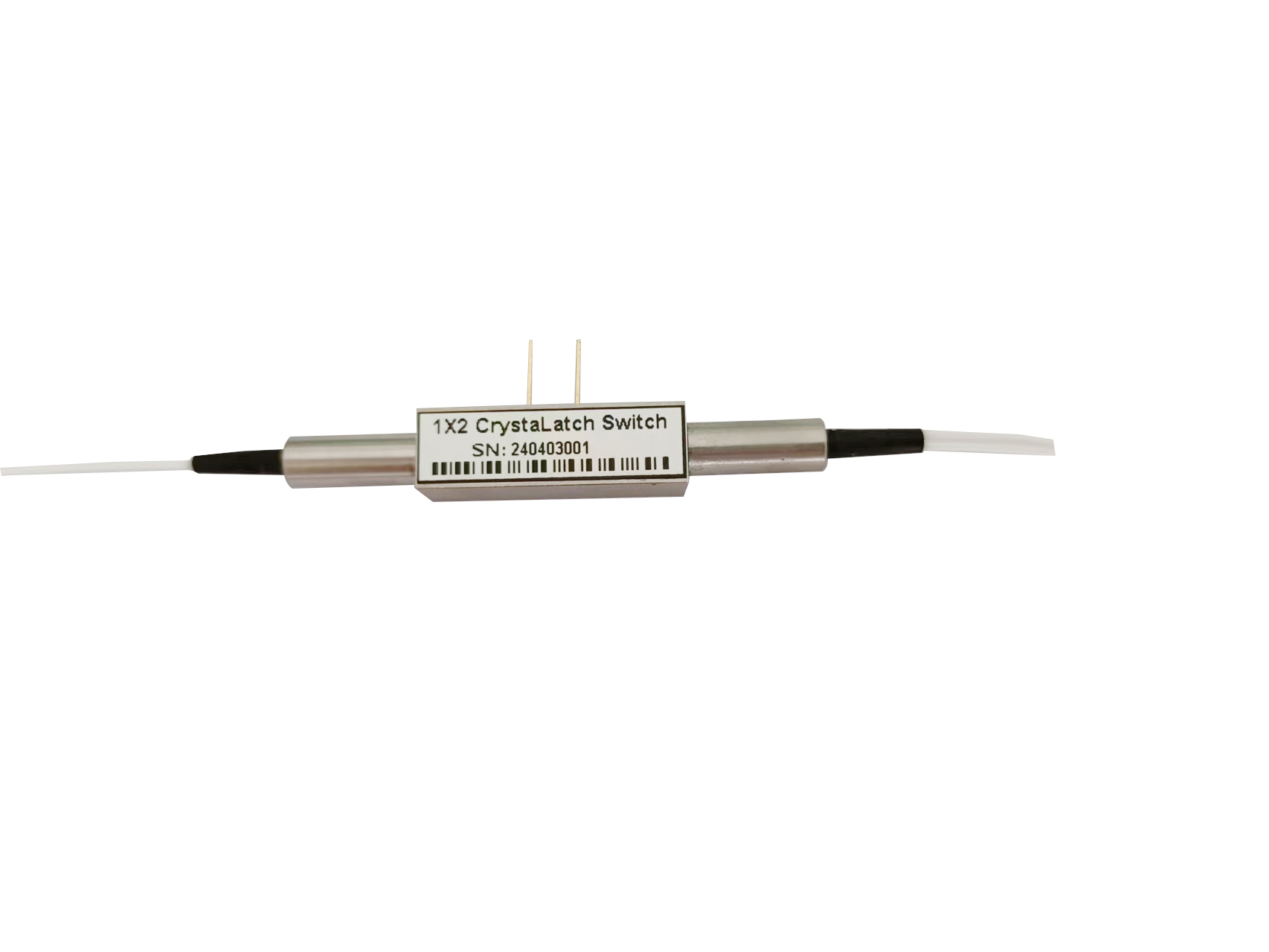
Optical Switch Solutions and Safety Considerations in High-Power Laser Systems
High-power laser systems are widely used in scientific research, industrial processing, medical treatment, and military applications. Due to the high energy and high precision characteristics of lasers, the design and operation of high-power laser systems face many technical challenges, especially in the control and protection of the optical path. Optical switches, as indispensable components in laser systems, perform critical functions such as optical path adjustment and signal switching. However, processing high-power laser signals is very challenging, involving not only performance reliability but also system safety. This article will discuss optical switch solutions in high-power laser systems and focus on the safety considerations involved.
I. The Role of Optical Switches in High-Power Laser Systems
Optical switches play a crucial role in high-power laser systems, mainly in the following aspects:
- Signal Routing and Switching: In laser systems, optical switches are responsible for scheduling and switching different optical paths. Especially in multi-channel, multi-mode laser systems, optical switches can flexibly switch the laser beam path according to requirements, ensuring that the system can adjust its operating mode or power output according to actual needs.
- Protection Function: High-power laser systems have extremely high requirements for equipment; any overload, reflection, or unstable optical signal can damage system components. In this case, optical switches can act as protective devices, quickly switching the optical path in case of abnormalities, preventing the laser beam from directly irradiating critical equipment, thereby reducing system risks.
- Precise Control and Adjustment: In high-power laser systems, the adjustment and precise control of laser power are very important, especially in precision processing or medical applications. Optical switches can achieve precise power adjustment and signal distribution, thus meeting the system’s precision requirements.
II. Optical Switch Solutions in High-Power Laser Systems
Designing appropriate optical switch solutions is crucial for the needs of high-power laser systems. The following are several common optical switch solutions:
1. MEMS Optical Switches
MEMS (Micro-Electro-Mechanical Systems) optical switches utilize micro-mechanical technology to achieve precise control of the optical path. MEMS optical switches are characterized by fast response speed, small size, low power consumption, and the ability to achieve high-precision optical path switching. In high-power laser systems, MEMS optical switches are often used for low-power and medium-power laser path control, suitable for scenarios requiring high spatial resolution and fast response speed. However, when dealing with higher-power lasers, the thermal management and damage tolerance capabilities of MEMS optical switches require special design.
2. Magneto-Optical Switches
Magneto-optical switches are optical switches based on the magneto-optical effect (such as the Faraday effect), possessing high power handling capacity and strong anti-interference capabilities. Magneto-optical switches are particularly suitable for high-power laser systems because they do not generate excessive heat accumulation during optical signal transmission and can maintain stable performance during long-term high-power operation. Therefore, magneto-optical switches are often used in systems requiring high-power processing, such as the modulation and routing of high-power laser beams.
3. Fiber Optic Switches
Fiber optic switches primarily transmit optical signals through optical fibers and achieve switching functionality by controlling the fiber pathways. Compared to traditional electrical switches, fiber optic switches have higher power handling capacity and can effectively reduce signal loss when operating in high-power environments. In high-power laser systems, fiber optic switches can be used for switching long-distance laser transmission, making them particularly suitable for applications requiring long-term stable operation.
III. Safety Considerations in High-Power Laser Systems
The safety of high-power laser systems is a crucial aspect of system design that cannot be overlooked. As an important component of the system, the optical switch must ensure that potential safety hazards are effectively avoided. The following are some key safety considerations:
1. Overload Protection and Automatic Switching
High-power laser systems may experience overload conditions under extreme circumstances, especially when the laser power suddenly increases or reflection occurs. The optical switch must have overload protection capabilities, allowing it to quickly switch the optical path when abnormal power is detected, preventing the laser from directly irradiating equipment or personnel. By designing optical switches with fast response mechanisms, timely switching can be achieved when system problems occur, preventing system damage.
2. Reflected Light Control
Reflected light in laser systems is a common cause of system failure and damage. When high-power lasers pass through unsuitable optical switches, reflected light may return to the light source or other sensitive components, leading to equipment damage. Therefore, the optical switch must have good reflected light control capabilities. High-performance optical switches can effectively prevent reflection damage by optimizing the structural design of the optical switch to reduce the impact of light reflection on the system.
3. Thermal Management
High-power laser systems generate a significant amount of heat. Without an effective thermal management solution, critical components such as optical switches may be damaged due to overheating. Therefore, the design of the optical switch needs to consider efficient heat dissipation to prevent high temperatures from affecting its performance. For optical switches with high thermal management requirements, using heat dissipation designs or thermally conductive materials to improve their thermal tolerance is crucial. 4. Light Intensity Distribution and Equalization
In high-power laser systems, optical switches may need to regulate multiple laser paths and ensure that the light intensity is balanced in each path. The design of the optical switch must be able to precisely control the light intensity of each optical path, avoiding excessive concentration of light intensity in one area, which could lead to damage. Uniform light intensity distribution is crucial for the stable and safe operation of the laser system.
IV. Conclusion
In high-power laser systems, optical switches must not only possess high efficiency but also incorporate safety considerations in their design. Appropriate optical switch solutions and safety protection mechanisms can effectively ensure the stable operation of the system and prevent damage to equipment caused by high-power lasers. With technological advancements, optical switches in high-power laser systems will become more precise, safe, and efficient, providing reliable support for laser applications in various industries.
Comments are closed