


Why Choose a Polarization-Maintaining Magneto-Optic Switch for Fiber Optic Sensing Systems?
Introduction
Fiber optic sensing systems are widely used in industrial monitoring, structural health monitoring, aerospace, energy infrastructure, and scientific research. These systems rely on optical signals to detect changes in temperature, strain, vibration, pressure, and other physical parameters.
As sensing applications become more demanding, maintaining polarization stability and ensuring reliable optical signal switching are increasingly important.
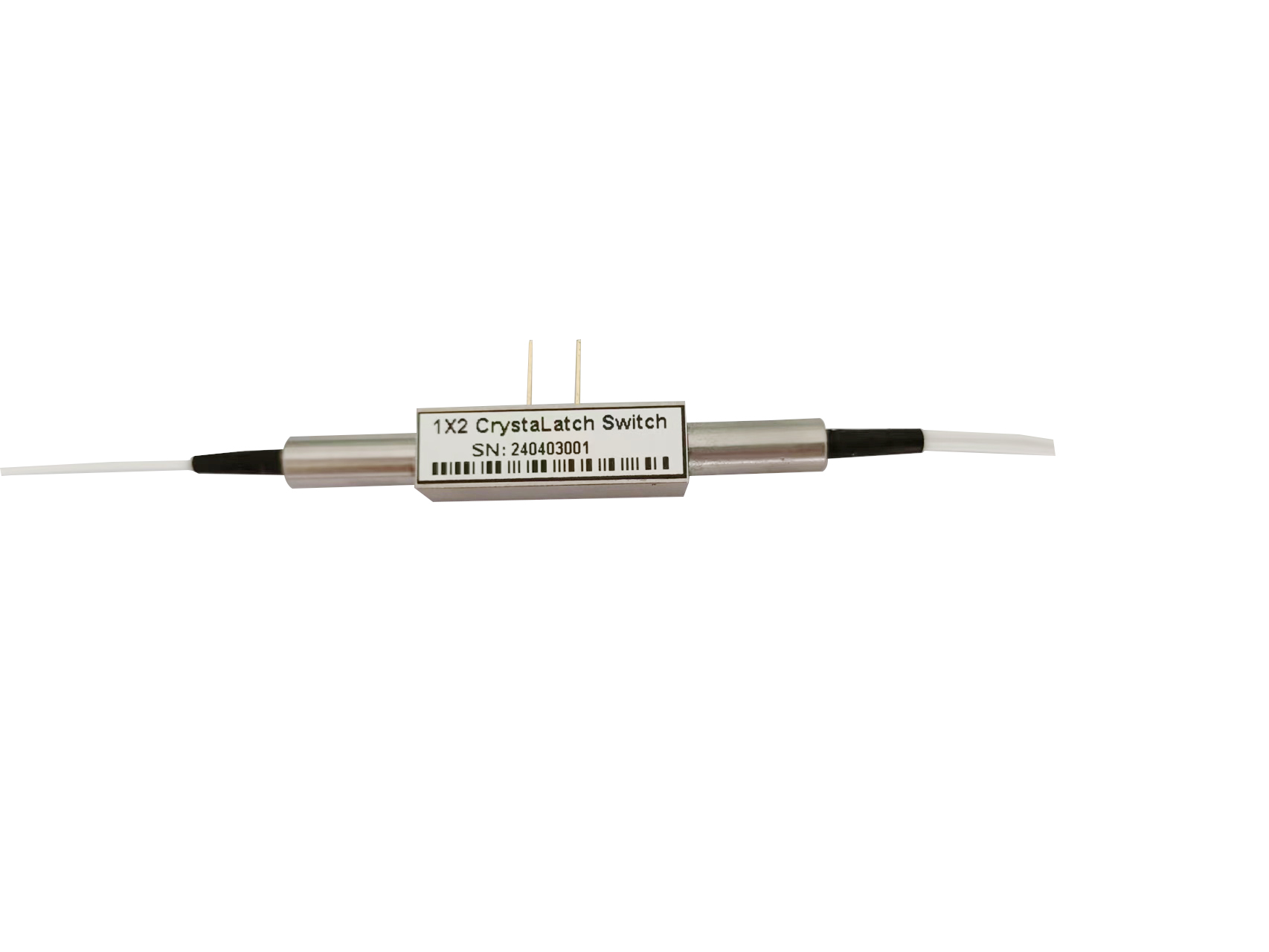
Polarization-Maintaining (PM) Magneto-Optic Switch provides a specialized solution for applications where polarization preservation, switching reliability, and measurement consistency are critical.
So, why is this type of optical switch suitable for fiber optic sensing systems?
1. Maintaining Polarization Stability
In many fiber optic sensing applications, polarization state directly affects measurement accuracy and signal quality.
Changes in polarization can introduce measurement fluctuations, signal fading, or unwanted variations in detection results.
A PM magneto-optic switch is designed to work with polarization-maintaining fiber, helping preserve the polarization state throughout the optical path when properly aligned with the fiber’s principal axes.
This makes it particularly useful for polarization-sensitive sensing systems and optical measurement setups.
2. Supporting Accurate and Consistent Measurements
Fiber optic sensing systems often require stable optical paths to ensure repeatable measurements.
Unwanted variations in optical signal transmission can affect system performance, especially in high-precision interferometric sensing and laboratory measurement applications.
By combining polarization-maintaining fiber with an appropriate magneto-optic switching design, the system can achieve more consistent optical signal transmission and switching performance.
This helps reduce polarization-related variations and supports reliable measurement results.
3. Reliable Optical Path Switching
In multi-channel fiber optic sensing systems, optical switches allow one measurement unit to access multiple sensing channels.
For example, a single interrogation system can be connected to different sensing points through an optical switching network.
A magneto-optic switching solution can provide controlled optical path selection without relying on conventional mechanical contact switching mechanisms, depending on its design.
This can help simplify optical path management and support automated measurement processes.
4. Suitable for Precision Sensing Applications
Polarization-maintaining magneto-optic switches can be considered for applications where polarization control and optical path stability are important.
Typical application areas include:
- Fiber Optic Interferometric Sensing: Supporting polarization-sensitive optical paths in precision measurement systems.
- Fiber Bragg Grating (FBG) Sensing: Enabling optical channel selection in multi-channel sensing configurations where polarization stability is required.
- Aerospace Monitoring: Supporting optical measurement systems used for structural and environmental monitoring.
- Structural Health Monitoring: Helping manage multiple sensing channels in bridges, buildings, and industrial structures.
- Scientific Research: Providing controlled optical switching for polarization-sensitive experimental setups.
The actual suitability depends on the sensing architecture, operating wavelength, optical power, and polarization requirements.
5. What Should You Consider When Selecting a PM Magneto-Optic Switch?
Before selecting a PM magneto-optic switch, several technical factors should be evaluated:
- Operating Wavelength: Ensure compatibility with the sensing system’s operating wavelength.
- Polarization Extinction Ratio (ER): A higher ER generally indicates better polarization performance.
- Insertion Loss: Lower insertion loss helps maintain the available optical signal power.
- Repeatability: Consistent switching performance is important for repeated measurements.
- Channel Configuration: Select an appropriate 1×2, 1×N, or customized configuration according to the sensing network.
- Optical Power Handling: Ensure the switch meets the system’s optical power requirements.
Proper fiber alignment and connectorization are also important for achieving the expected polarization performance.
Conclusion
For fiber optic sensing systems that require stable polarization and reliable optical path selection, a polarization-maintaining magneto-optic switch can be an important component.
By considering polarization extinction ratio, insertion loss, switching repeatability, and wavelength compatibility, system designers can select a suitable switching solution for their measurement requirements.
Comments are closed